


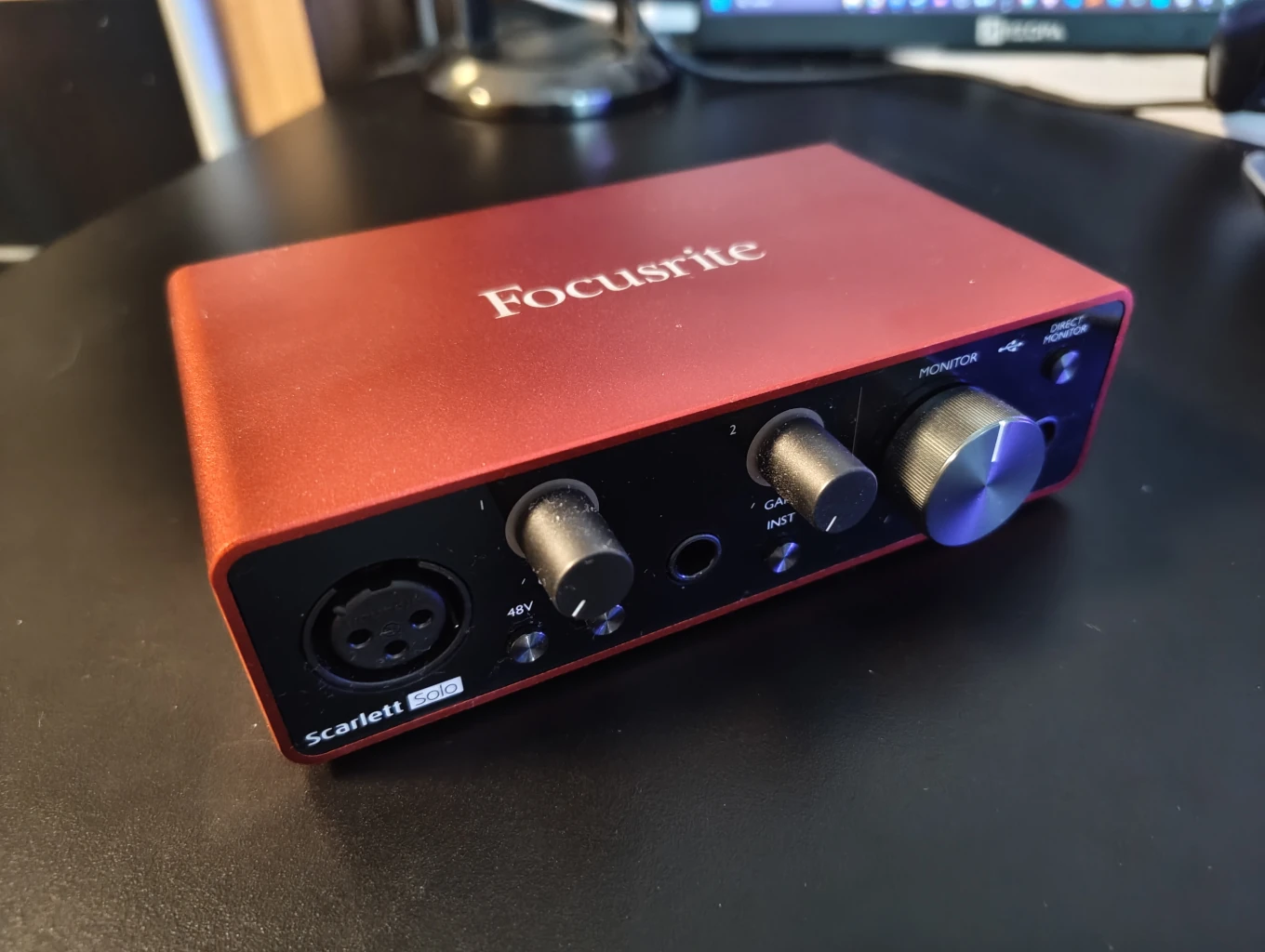



It may be the stereotypical beginner guitarist's audio interface, but you can't really complain when it's one of the best cheap interfaces out there.
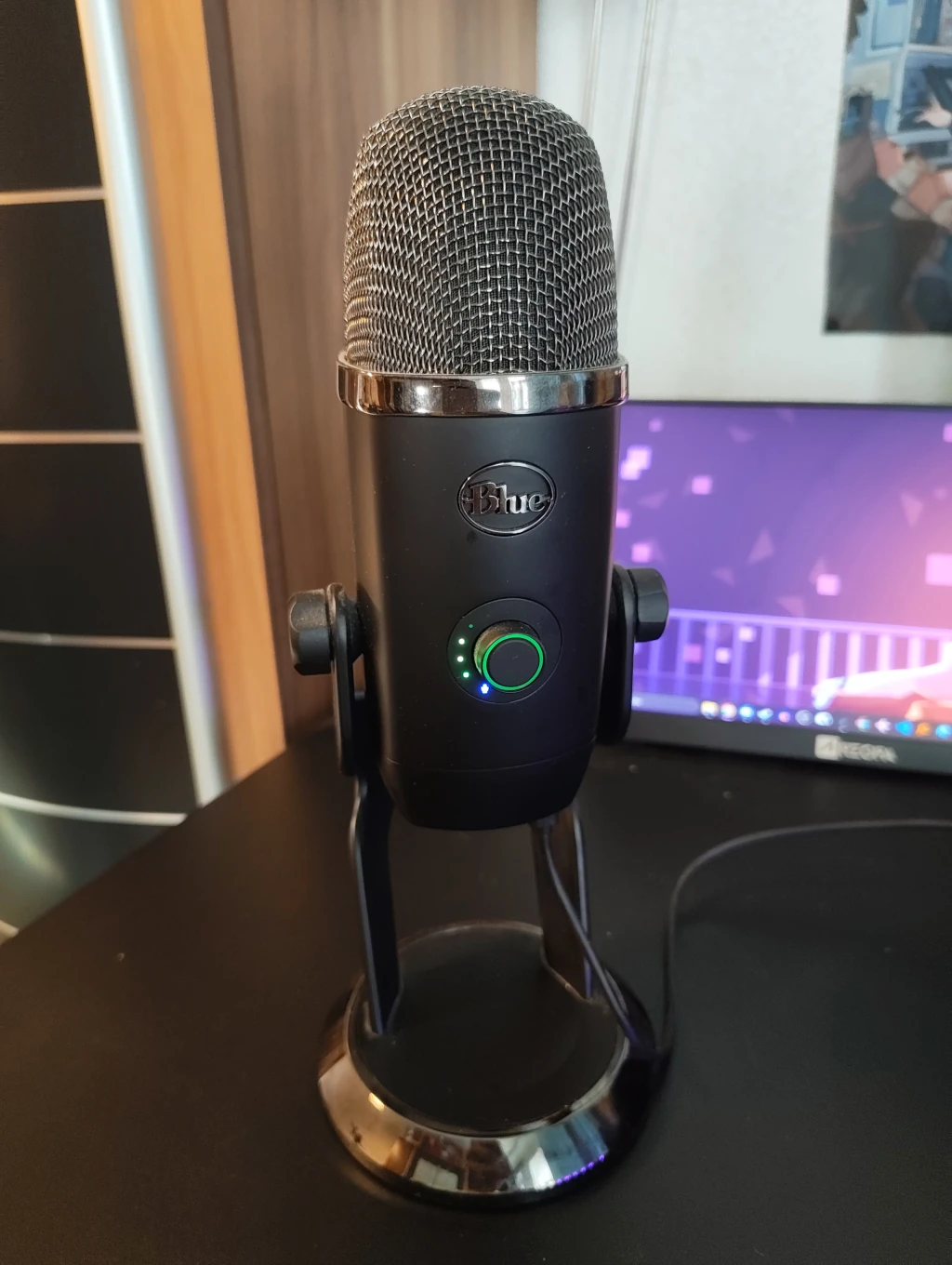
To be honest, I just bought this one because it seemed expensive and good at the time. It's an alright mic, I just haven't done much research into what mics I should get yet.
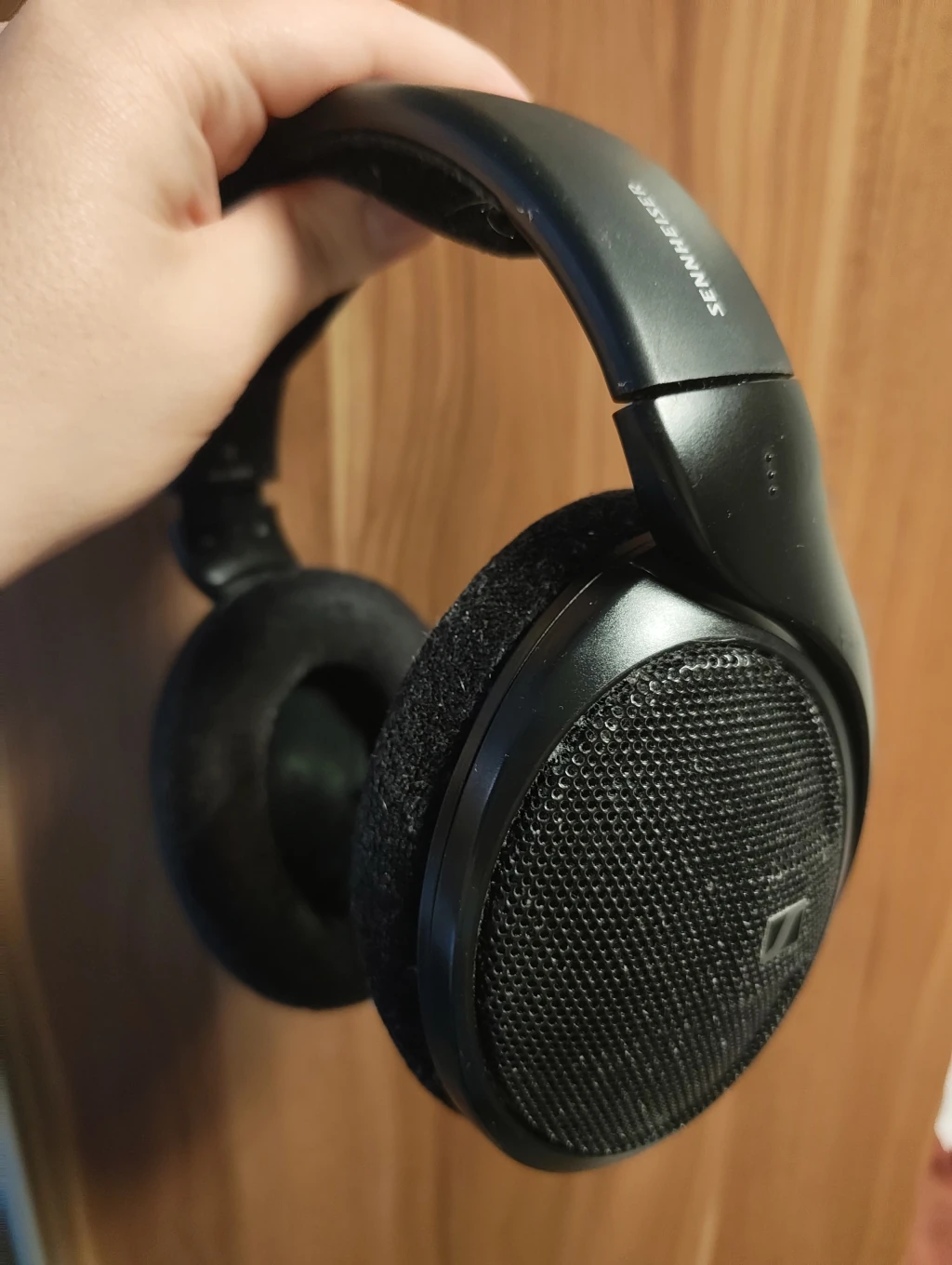
Not quite as prestigous as the hurr-durr-six-hungeos, but still a pretty good option for open-back headphones with a balanced sound. Open backs are especially nice for hearing your inputs while playing rhythm games, and don't make your ears sweaty.
Their small form factor makes it really convenient to carry around everywhere. Very easy to sneak them into your ears, and sound quality is also great. Active noise cancelling is also really good for drowning out background noise, it's almost like magic.
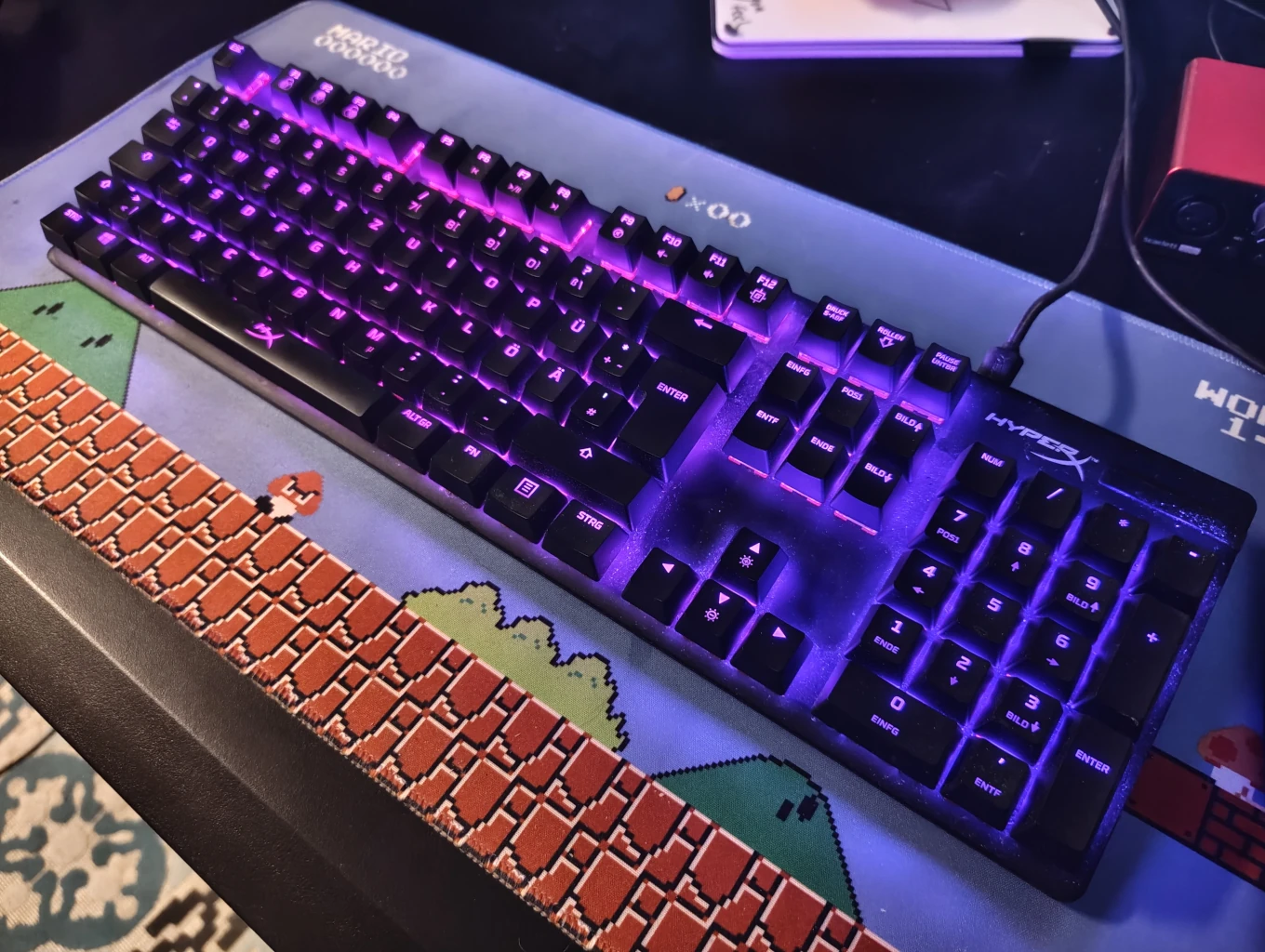
Not the most exciting keyboard, but I've had it for several years, and it feels pretty good.
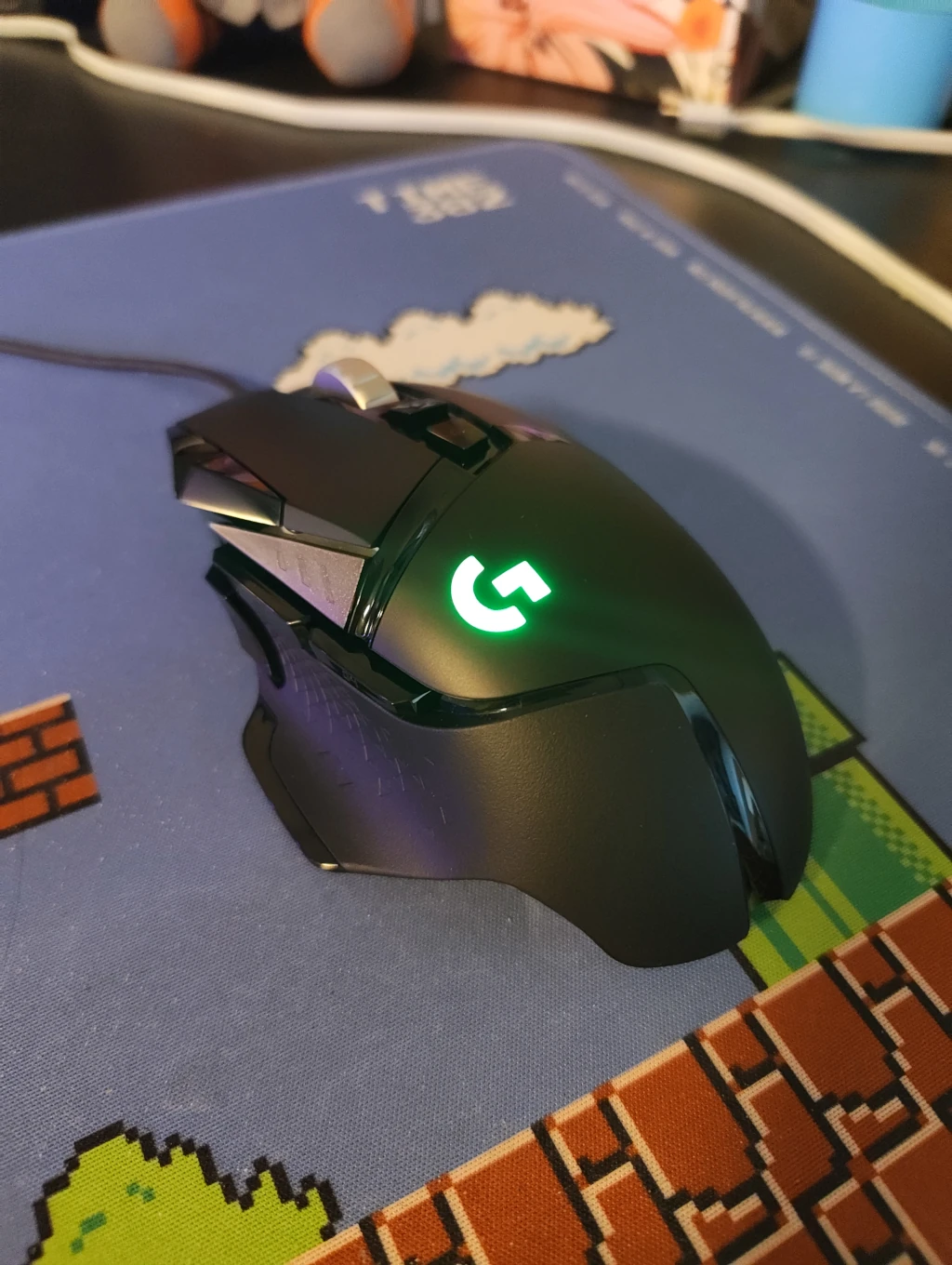
This is the one I kinda stuck with. I did buy a fancier wireless Steelseries mouse, but the connection on that kept dying out on me. This is actually the second G502 mouse I bought, because it was just so cheap. It's pretty good, but it will start to wear out after years of use.
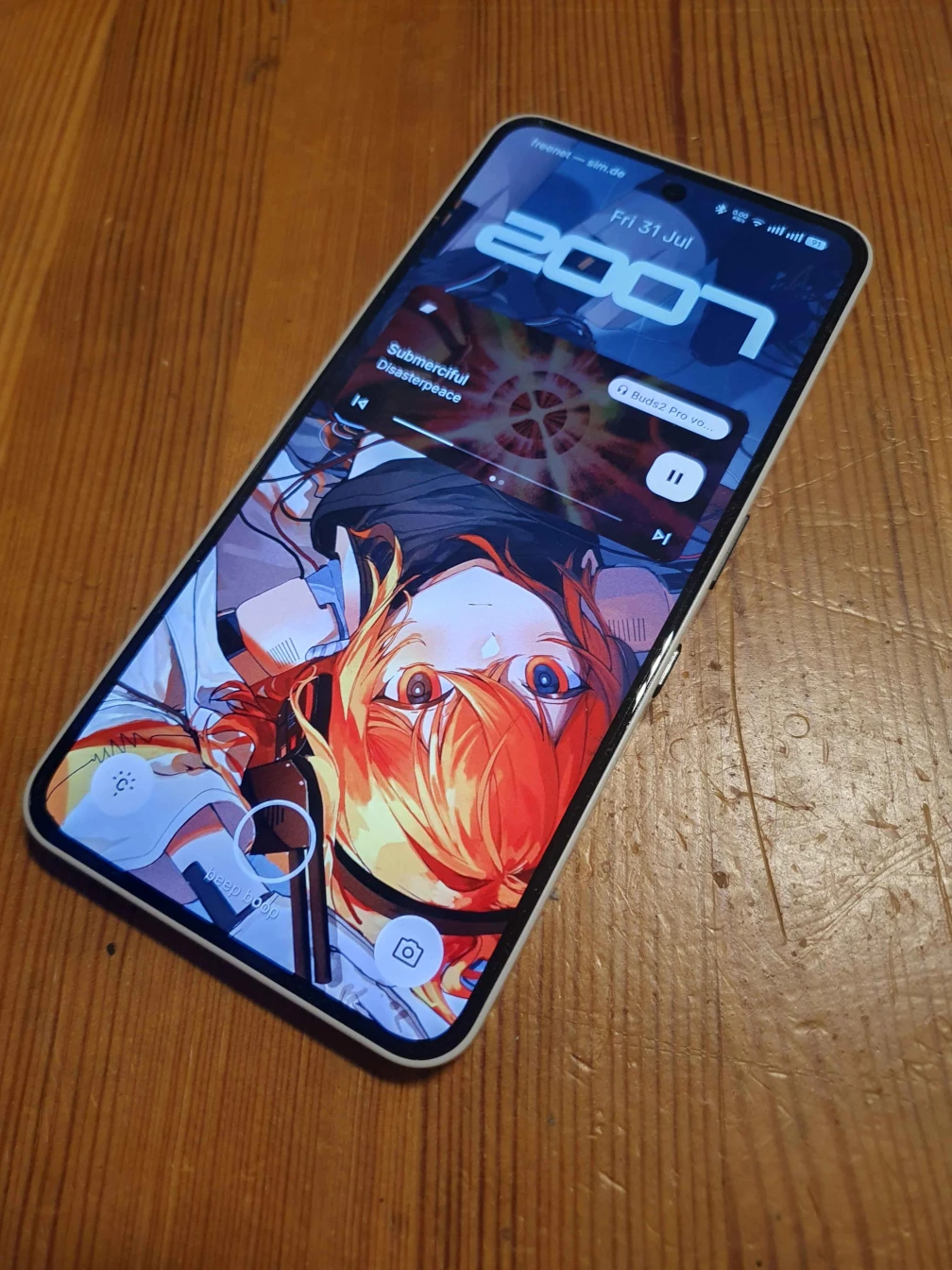
Mainly bought the phone for its price and design. It's still ultimately a smartphone, but has fun little touches that make it different from other phones.
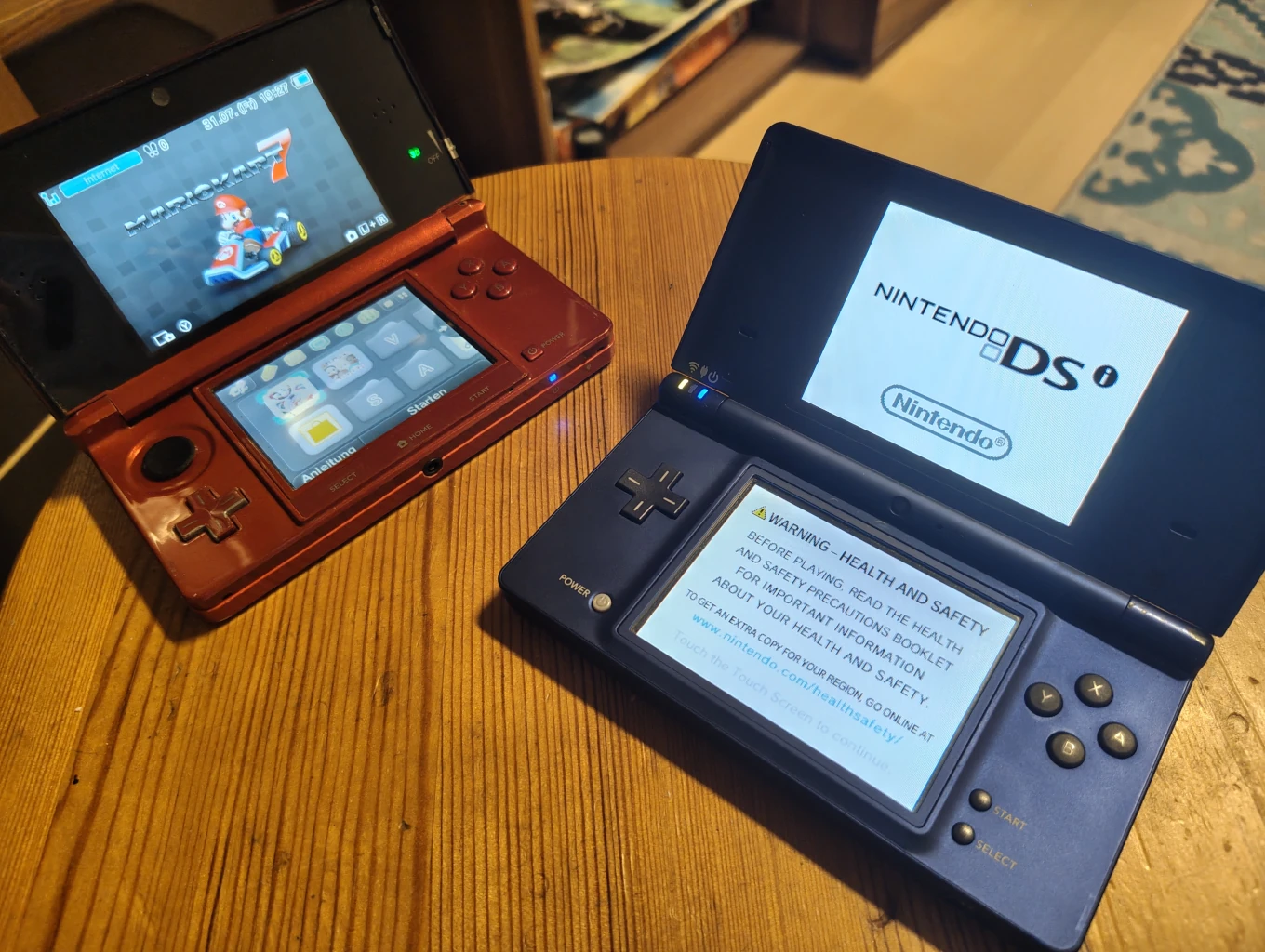
Many memories to be had with these consoles. I spent a lot of time browsing Flipnote Hatena, and playing games like Pokemon Black 2, Mario Kart 7, Animal Crossing: New Leaf, and many more.
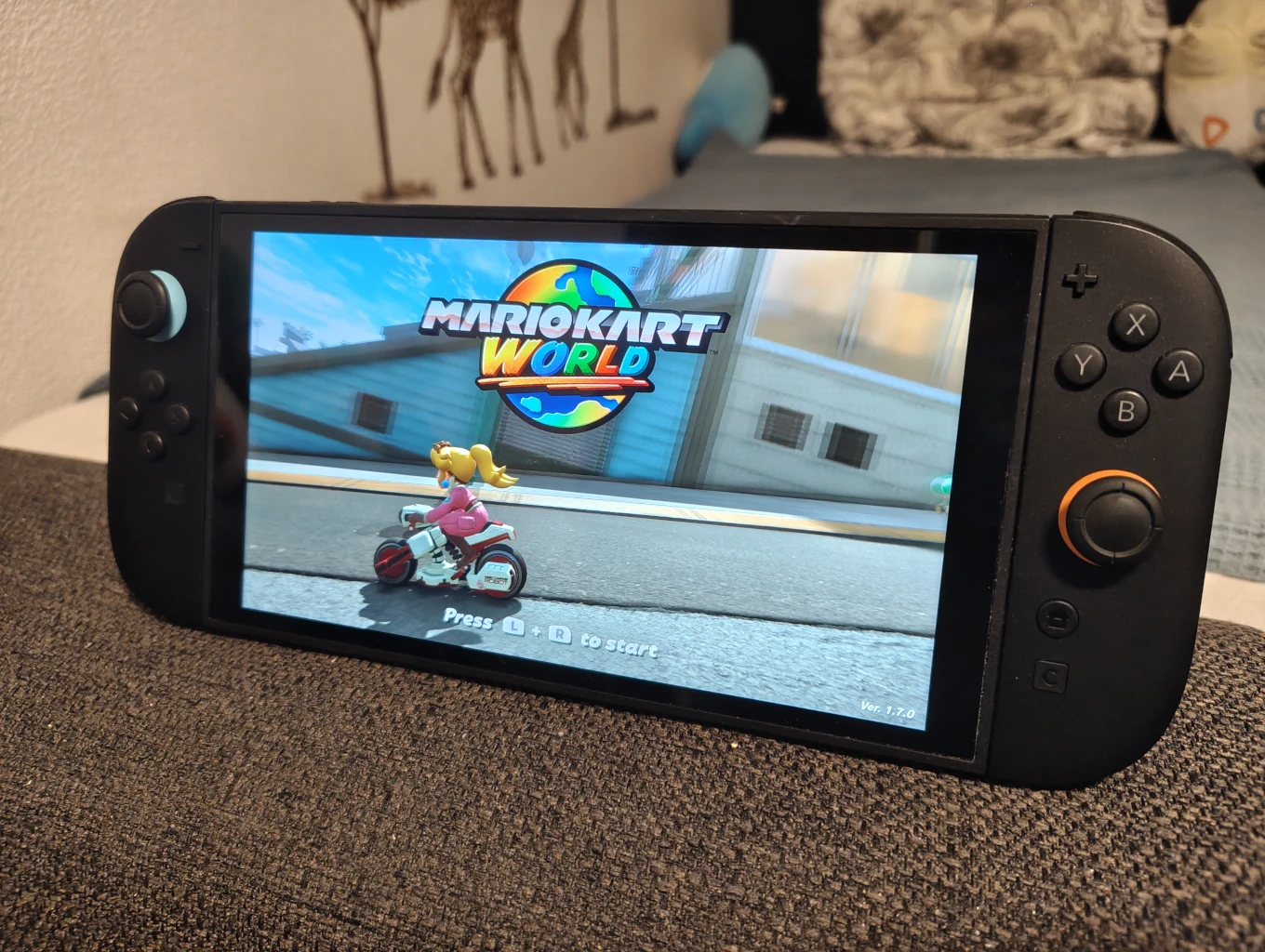
It's a good piece of hardware, but the increased price of the games makes it hard to justify building a good collection for it.
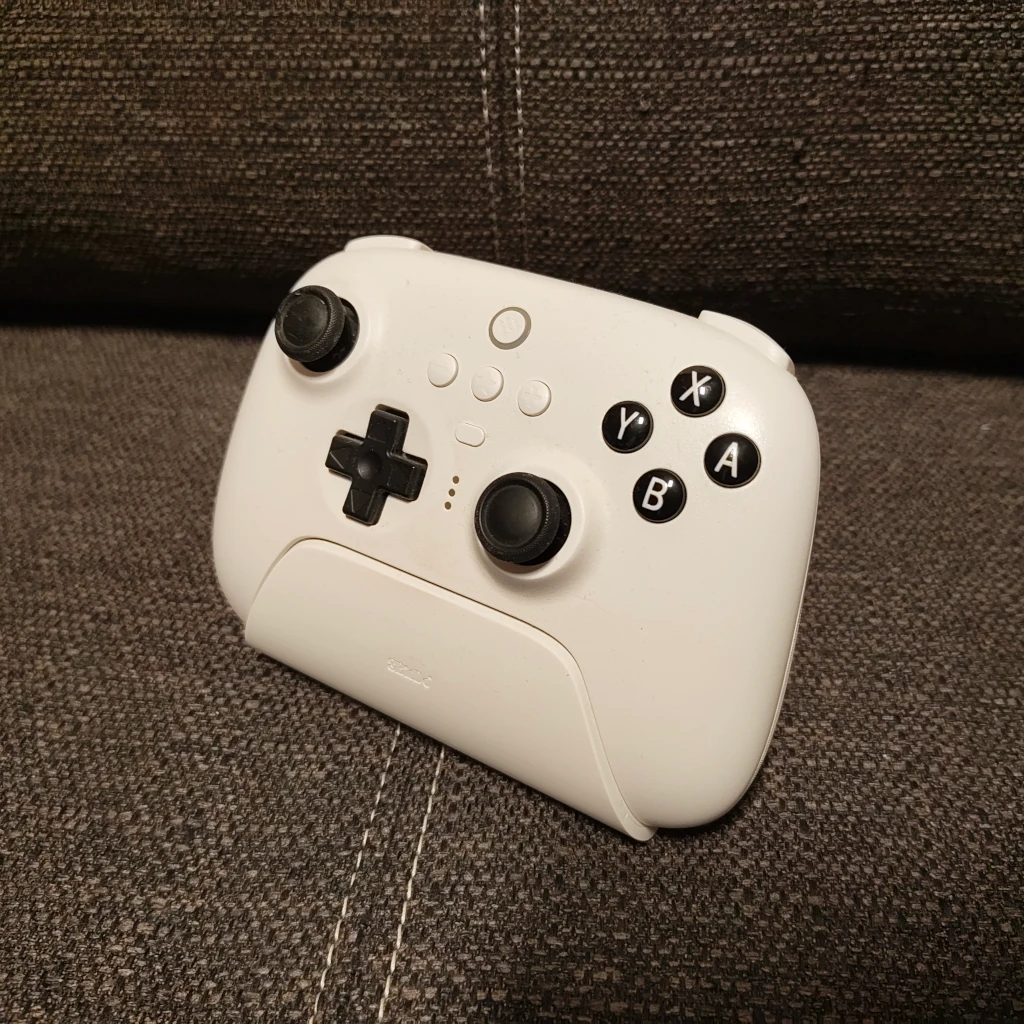
There are some small gripes I have with it, but it's a great controller to use overall. It's easy to switch between Switch and PC with it, and has some neat features like back buttons and macros.
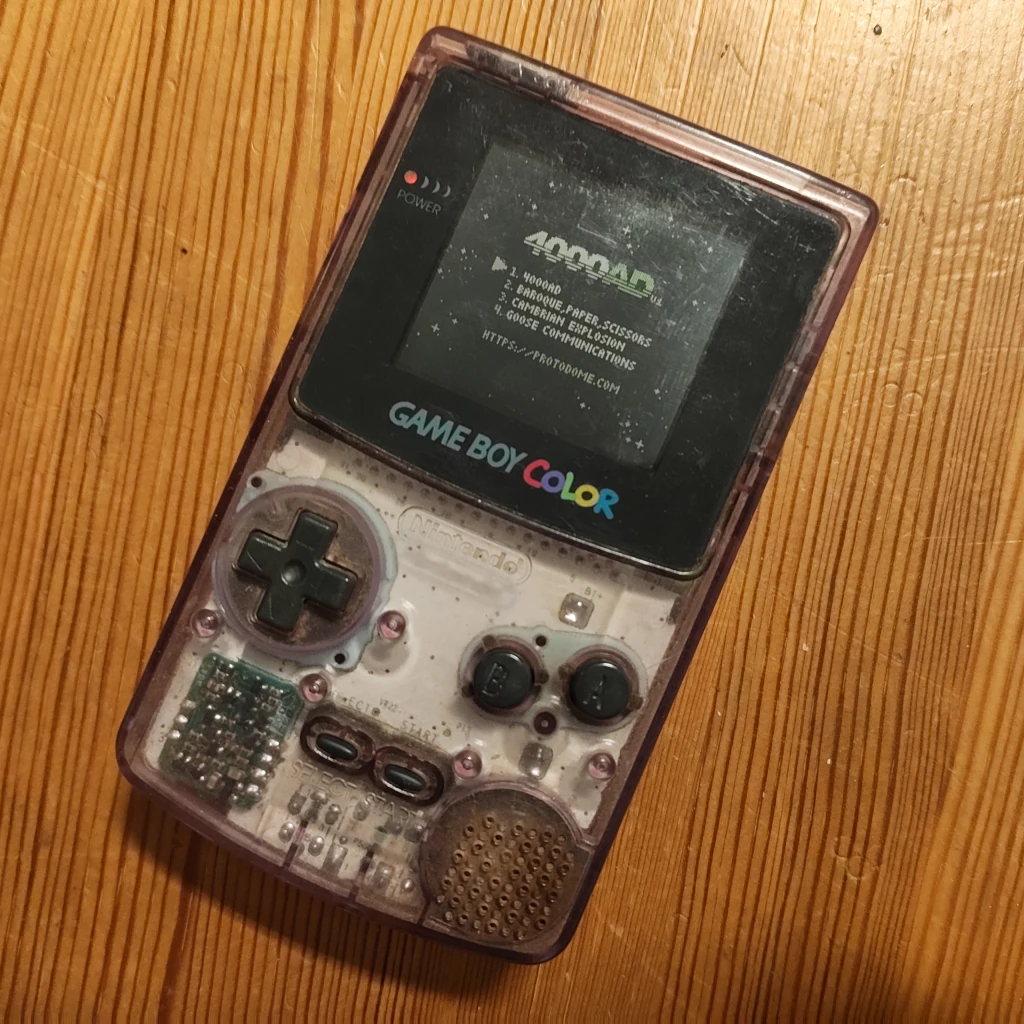
Still the same one I've held onto since childhood. Also bought a Croco flashcart for it.
One of the first phones I've owned. Something about the small form factor and simple software is still charming to tinker around with. Uses a replacement keypad.
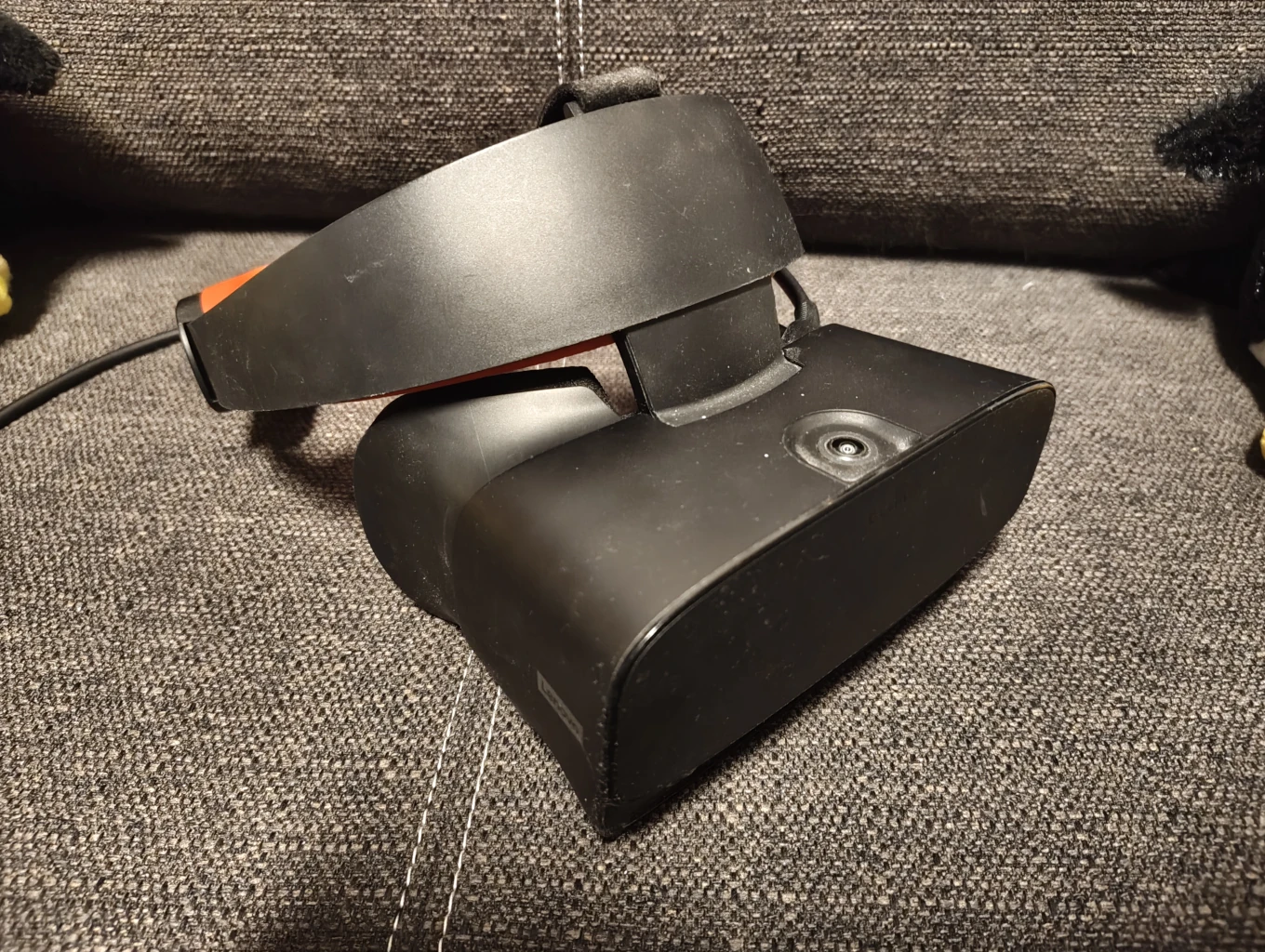
This was bought second-hand, as a cheap way to get into VR. Had a fun time using it for VRChat, Half Life: Alyx and Beat Saber, but it's not something I find myself using much anymore.
Vocal singer robot in marketable plushie form. I had to pay more in import fees than I expected, but it was so worth it.

My main guitar, and easily the nicest and feature-rich one I own in my collection. Features mechanical fret buttons, a hall-effect (and clicky!) strum bar, and support for so many consoles and games. Decorated with stickers from Sunnexo's Netpunk album.

The main software I use to make NES music nowadays. Features a piano roll layout that's more similar to modern DAWs.

Same interface as FamiStudio, but aims to be a general chiptune DAW that supports bunch of different game consoles and soundchips.

Supports way more soundchips than you could ever imagine.

Essentially the WinRAR of DAWs. I used to hate working with it, but I ended up finding uses for it over time, whether that'd be for modern music production or even charting for YARG/Stage Tour.


Just really good for making pixel art.

The first chiptune software I ever used, still being kept alive by community forks like Dn-Famitracker.

Hardware based tracker for the Game Boy. Took me a while to get used to its interface, but it's mighty powerful.

Modern option for PC tracker music. I only really use it for playing songs, not so much making them...

Simple tile-based vector editor, inspired by PETSCII art.

Desktop tracker for Game Boy music, not as powerful as LSDJ, but useful for putting music in games.

Used to be the chiptune tracker for a bunch of soundchips, but is buggy and obsolete nowadays.

ZX Spectrum beeper tracker, featuring a bunch of sound engines.

Hardware based tracker for the Commodore Plus/4, surprisingly powerful.

Atari 2600 tracker, featuring a frustratingly small frequency range.

Simple Commodore VIC-20 tracker, made by the creator of Battle of the Bits.

6-channel fakebit tracker, featuring filters, FM, and no undo button...

Port of Mario Paint to PC. Unlike the more popular Mario Paint Composer, it comes with all the restrictions the original Mario Paint had.

Very simple 8-channel sine wave tracker, allows you to enter any frequency for pitch.

MML-based software for writing PC Speaker-like music. Somehow a simple software like this has tuning issues...


Add me to your site!